

You wake up in the middle of the night, glance at the clock, and instantly start doing the math.
“If I fall asleep now, I’ll still get almost five hours.”
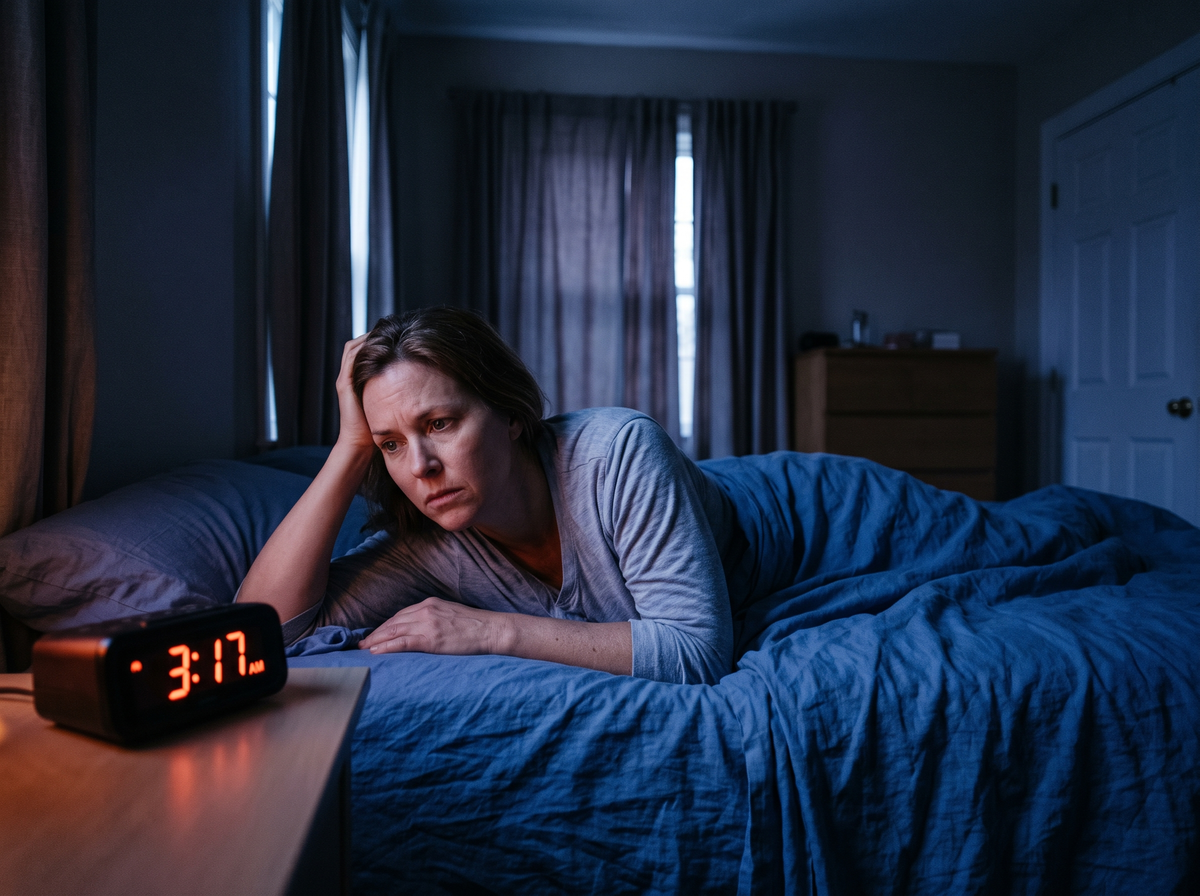
A few moments later, you’re thinking about tomorrow’s meetings, how tired you’ll feel, or why you can’t seem to fall back asleep.
If that sounds familiar, you’re not alone. For many people with insomnia, the clock isn’t the real problem. It’s what happens in your mind after seeing the time.
If you’ve searched for “stop clock watching insomnia,” you’re probably not looking for a perfect night’s sleep. You simply want the next time check to feel less important. The goal isn’t to force sleep—it’s to make being awake feel less like an emergency.
Once the clock stops setting the agenda, your mind and body have more room to return to rest.
Clock watching insomnia refers to the habit of repeatedly checking the time during the night and becoming more anxious, frustrated, or alert after seeing how late—or early—it is. While checking the time doesn’t cause every case of insomnia, it can reinforce the cycle of worry and make it harder to fall back asleep.
Key Takeaways
- Clock watching can turn a neutral time check into sleep math, worry about tomorrow, and greater mental arousal.
- Hide or move clocks, phones, smart watches, and other time cues before bed to make checking less automatic.
- When you accidentally see the time, respond with a neutral thought instead of judging the night or calculating hours left.
- Keep necessary time checks brief and purposeful, using one trusted alarm whenever possible.
- Persistent insomnia, loud snoring, gasping, leg discomfort, or major mood changes may warrant evaluation by a healthcare professional or insomnia-trained clinician.
Why a Time Check Makes You More Awake
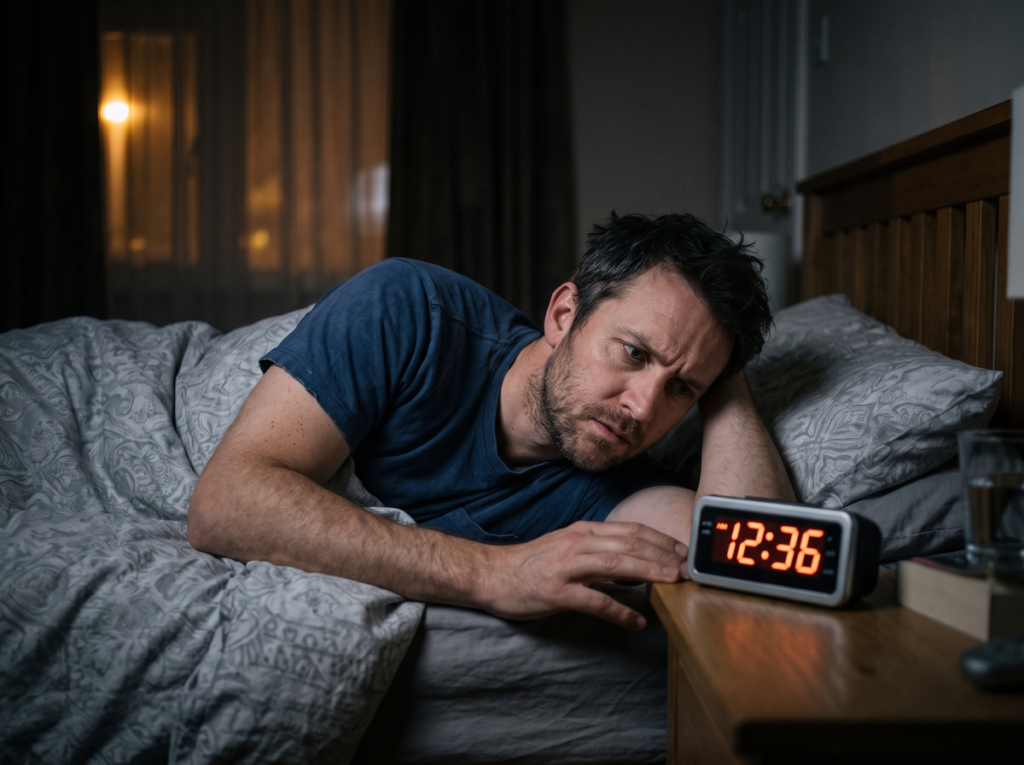
Clock watching is understandable. You may want to know whether you missed your alarm, how much time remains before morning, or whether you’ve been awake “too long.” But when you’re already tired, the answer rarely feels neutral, especially if sleep anxiety is building.
A glance at the clock can become an reflex and start a fast chain of thoughts. You see the number, calculate lost sleep, picture the next day, then feel more alert because the night suddenly seems high-stakes. This is a form of heightened alertness, and it can activate the stress response, making it harder to fall asleep.
Sleep Math Turns Time Into a Verdict
A clock gives you information, but insomnia can turn that information into a verdict. Calculating hours left can intensify fear of sleep deprivation. It can also turn sleep quality into a pass/fail score against an ideal eight-hour target and reinforce unhelpful sleep patterns.
Those calculations can make sleep feel like a test you’re failing. Your body may then respond to worry as though it needs to stay alert.
The upsetting part isn’t usually the time itself. It’s the story your mind builds around that number.
In a 2023 analysis of records from nearly 5,000 sleep clinic patients, Spencer Dawson and colleagues found that higher levels of time monitoring behavior were associated with worse insomnia symptoms. The peer-reviewed study also linked clock watching and frustration with greater use of sleep aids. It doesn’t show that clock watching means someone needs sleep medication.
One glance at the clock doesn’t cause every difficult night. It does show why reducing time monitoring can be a helpful behavioral intervention when insomnia is already feeding worry.
Why Your Brain Starts Doing Sleep Math
Many people don’t simply check the time—they immediately begin calculating.
“If I fall asleep right now, I’ll still get five hours.”
“If I’m awake another 30 minutes, tomorrow will be ruined.”
This habit, sometimes called sleep math, shifts your attention away from resting and toward evaluating the night. Instead of allowing your mind to settle, you begin estimating how much sleep you’ve lost, predicting how you’ll feel tomorrow, and wondering whether you’ll be able to function.
Ironically, these calculations can make falling back asleep even harder. The more you monitor and evaluate your sleep, the more alert your brain often becomes.
Breaking the habit isn’t about ignoring reality. It’s about recognizing that repeatedly measuring the night rarely changes the outcome—and often makes the experience feel more stressful than it needs to be.
Phone Checks Add Light and Distraction
Checking a phone has a second cost: light. Bright, close-range screen light at night may interfere with melatonin production and shift the circadian rhythm later.
A phone also makes it easy to move from the time to alerts, work messages, news, or social media. Checking the phone can become a habit that continues the loop, keeping your mind engaged long after the screen goes dark. The Indiana University report on Dawson’s research describes how time monitoring can raise frustration and keep insomnia going. Persistent symptoms shouldn’t be assumed to come only from clock watching and may warrant evaluation for sleep disorders.
Even if you only intend to check the time, phones often invite additional stimulation. A quick glance can easily become checking notifications, reading email, looking at the weather, scrolling social media, or searching for sleep advice. What begins as a five-second time check can quietly turn into several minutes of wakefulness, making it even harder for your mind to settle.
How to Stop Clock Watching Insomnia Without More Pressure
The most practical way to break the clock-watching habit is to make checking inconvenient before you get into bed. This can reduce sleep anxiety and interrupt a disruptive behavior. At 2 a.m., willpower is usually not the answer. A simple room setup is more reliable.
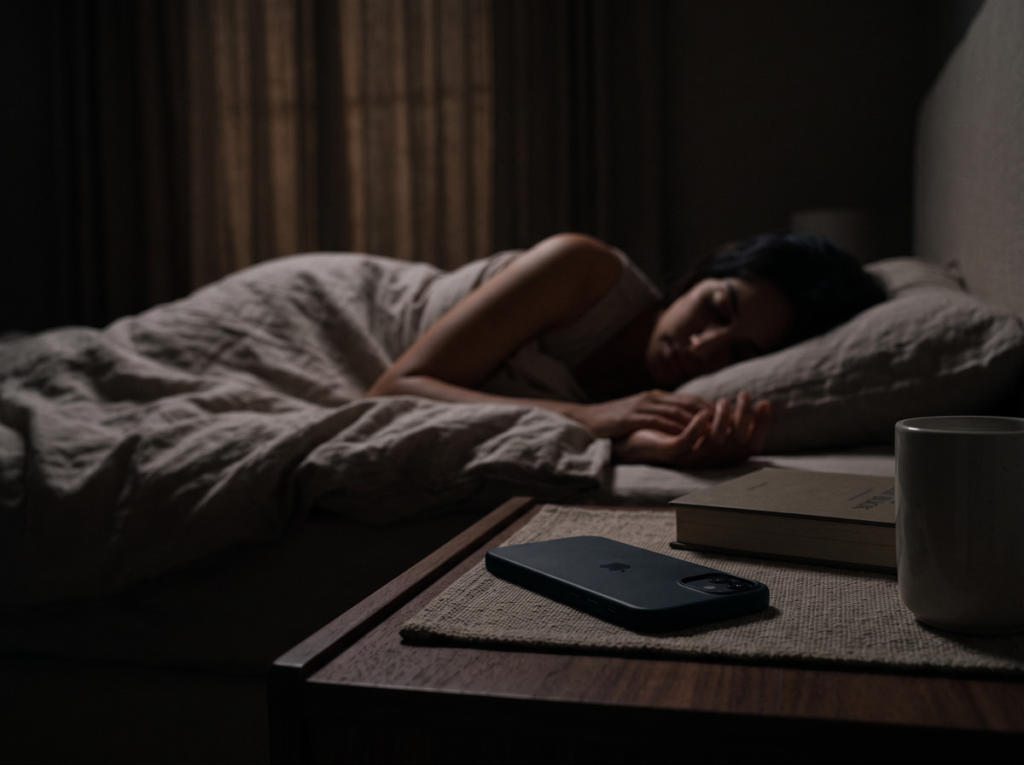
Set up your sleep space during the day, when you can make decisions without fatigue. Treat this as one simple sleep hygiene step.
- Turn a bedside clock toward the wall, place it in a drawer, or cover the display with a soft cloth. You can still hear the alarm without seeing the time.
- Put your phone face down and beyond arm’s reach, or leave it outside the bedroom if you don’t need it nearby for safety or family reasons. Reducing screen light and visual time cues may also help protect your circadian rhythm.
- Disable the wake screen on a smart watch before bed. If possible, charge it outside the bedroom so a wrist movement doesn’t become another time check.
- Look for less obvious time cues, including television displays, smart speakers, thermostats, and cable boxes. Cover or turn off anything that gives you a number to assess.
- Set one trusted alarm clock. A reliable alarm replaces the urge to repeatedly confirm that morning hasn’t arrived yet.
- Keep the path to the bathroom dim and familiar. Turning on bright overhead lights can make a brief wake-up feel like the start of the day.
At first, the urge to check may feel like an automatic response. Notice it without scolding yourself. Redirect your attention with relaxation techniques, such as feeling the sheets, sensing the blanket’s weight, or following a slower exhale.
Don’t replace the clock with a different form of sleep math. Counting how many hours you have left, estimating each wake-up, or replaying tomorrow’s schedule keeps the same pressure alive. It can also make steadier sleep patterns harder to build.
A brief period of wakefulness in bed isn’t a failure. Rest can still be beneficial, even when sleep doesn’t arrive right away. Persistent insomnia still deserves appropriate professional care.
When You Truly Need to Know the Time
Not every time cue can disappear. People with sleep disorders may have legitimate reasons to monitor the time. The goal is to keep each check brief, planned, and purposeful.
| Situation | Set up before bed | After the cue |
|---|---|---|
| Shift work or early departure | Set one audible or vibrating alarm and keep the display hidden. | Follow the planned task, then turn the device away. |
| Caring for a baby | Use an audio monitor or a planned alarm if appropriate for your family’s routine. | Attend to your baby, then avoid calculating how much time remains. |
| A medical schedule | Follow your clinician’s instructions. Treatment for sleep disorders may require a scheduled action, such as a prescribed sleep medication dose. Use an alarm or caregiver support when available. | Take the needed action, then remove the clock from view. |
| Travel | Set alarms before going to sleep and avoid repeatedly checking hotel clocks. | Trust the alarm and return your attention to resting. |
A necessary time cue answers one question: “Do I need to do something now?” It does not tell you whether you will cope tomorrow or whether the night is ruined.
Use an intentional alarm check, not an instinctive reaction to every urge to look. If you must view a display, look once, do what is needed, and turn the device away again.
Don’t take a second look to judge the night. For parents and people with changing schedules, a separate alarm clock can be useful. Choose one with a dimmable or hidden display, and let your phone stay out of reach.
Change Your Response When You See the Time
Even a well-prepared bedroom won’t prevent every accidental glance. A common response is to judge the number, which can increase sleep anxiety and stress. Your next interpretation can interrupt that cycle.
The research summary of Dawson’s findings describes the familiar sequence of time monitoring, frustration, and more insomnia symptoms. You can interrupt that sequence with cognitive strategies and a plain, neutral response.
Try one of these phrases after an unwanted time check:
- “It’s nighttime. I don’t need to solve tomorrow right now.”
- “My job is to rest, not measure.”
- “Being awake is uncomfortable, but it isn’t an emergency.”
The wording matters less than the tone. Choose a phrase that feels believable enough to repeat, even if you don’t fully believe it at first. This approach replaces a judgement with a neutral thought. You are not trying to argue yourself into sleep. You’re giving your mind less to do.
A 10-Second Reset
If you accidentally see the time:
✓ Skip the sleep math. Don’t calculate the hours left.
✓ Take one slow breath.
✓ Repeat: “My job is to rest, not measure.”
✓ Return your attention to your breathing or the feeling of the bed beneath you.
The goal isn’t to force sleep. It’s simply to keep one glance at the clock from becoming several minutes of worry.
Cognitive behavioral therapy for insomnia, often called CBT-I, can help reshape unhelpful sleep patterns and thoughts that keep bedtime linked with stress. It can also help a clinician distinguish insomnia from coexisting sleep disorders. One common approach is stimulus control.
If you feel wide awake and increasingly frustrated, leave the bed for a dim, repetitive activity, then return when sleepiness builds again. This can prevent intrusive thoughts from dictating the rest of the night.
Don’t watch the clock to decide whether you’ve waited long enough. Go by how alert and irritated you feel. You might sit in a chair and try relaxation techniques, such as calm audio or slow breathing. Keep the screen off, or read a familiar paper book in low light.
If getting out of bed feels like another task to get right, stay where you are and rest. A relaxed body in a dark room doesn’t need to perform sleep perfectly.
Talk with a healthcare professional if insomnia persists, or if you notice loud snoring, gasping, frequent leg discomfort, or major changes in mood that suggest underlying conditions. An insomnia-trained clinician can assess possible sleep disorders, while a certified sleep coach may help you build consistent behavioral routines. Discuss sleep aids and other treatment options with a qualified professional rather than choosing them yourself.
Frequently Asked Questions
Can clock watching cause insomnia?
Clock watching does not explain every difficult night, but it can reinforce worry and increased wakefulness when insomnia is already present. Reducing time monitoring may help interrupt that cycle.
Is it bad to sleep with a clock facing your bed?
A visible clock isn’t harmful for everyone, but many people with insomnia benefit from keeping clocks out of sight. When repeated time checks increase frustration or anxiety, hiding the display can reduce one source of nighttime stimulation.
What should I do if I accidentally see the time?
Try not to judge the number or calculate how much sleep remains. Use a neutral phrase such as, “It’s nighttime. I don’t need to solve tomorrow right now,” then return your attention to rest.
How can I stop checking the clock without missing my alarm?
Turn the clock toward the wall, cover its display, or place it out of sight while keeping one reliable alarm audible or vibrating. Keep your phone beyond arm’s reach or outside the bedroom if you do not need it nearby.
When should I seek help for insomnia?
Talk with a healthcare professional if insomnia persists or if you notice loud snoring, gasping, frequent leg discomfort, or major changes in mood. An insomnia-trained clinician can assess possible sleep disorders and discuss treatments such as CBT-I.
A More Peaceful Middle of the Night
That number in the dark can feel like proof that the night has gone wrong. It isn’t.
You don’t have to win the night—you only have to stop fighting it.
Remove the time cues you can, make the ones you need purposeful, and meet accidental time checks with a neutral thought instead of sleep math. Every time you choose not to measure your sleep, you weaken the habit that can keep many nights feeling harder than they need to be.
Rest often returns more naturally once the pressure to constantly evaluate it begins to fade. If persistent or concerning symptoms continue, consider talking with a healthcare professional who can evaluate for underlying sleep disorders and discuss appropriate treatment options.

Stone Evans, Founder of SleepCoaching.com
Stone Evans is the founder of SleepCoaching.com which has become one of the most popular destinations online for people seeking better sleep. Stone started developing this website after realizing his own sleep struggles and then beginning an intensive period of study (which included professional sleep coach training) and ongoing lifestyle changes to improve and optimize his sleep.
Now through in-depth articles from sleep experts around the world, the internet's leading and most comprehensive sleep coaching directory, quantitative sleep product reviews and Stone's personal daily sleep tracking journey, visitors to our website regularly report gaining information and insights that are helping them achieve better health, better sleep and a better quality of life.

