

Few things feel more frustrating than being tired but can’t sleep when your head finally hits the pillow. Your body feels spent, yet your mind seems ready to replay the day, solve tomorrow’s problems, or notice every small sound in the room.
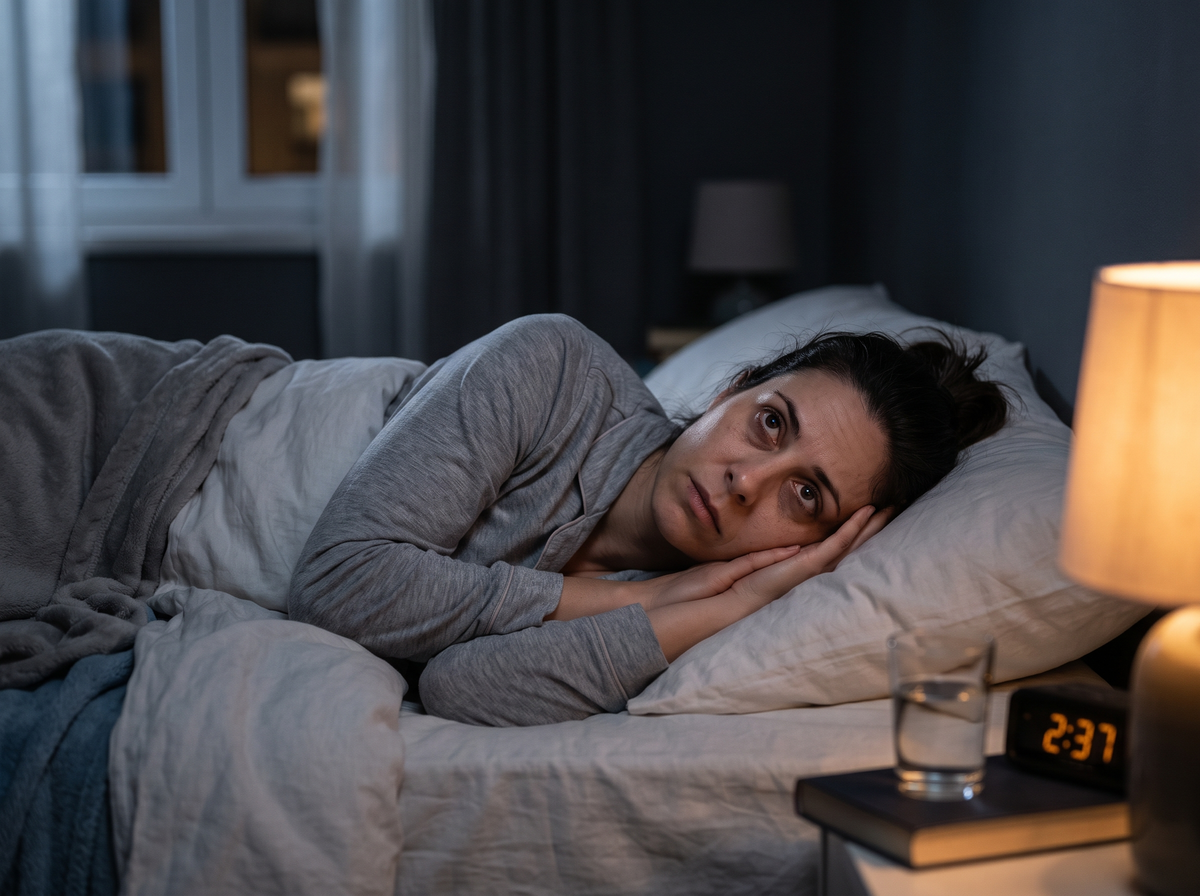
This doesn’t mean you’re doing sleep “wrong.” Overtiredness can leave your body exhausted while stress, habits, timing, or health concerns keep your brain too alert to settle.
The first step is understanding why exhaustion and sleepiness don’t always arrive together.
Key Takeaways
- Feeling tired does not always mean you’re biologically sleepy enough for bed. Stress, hyperarousal, an irregular schedule, long naps, and late-night light can leave your body exhausted while your brain stays alert.
- A steady wake-up time, morning outdoor light, earlier caffeine cut-offs, brief early naps, and daytime movement can help strengthen your sleep-wake rhythm.
- When thoughts keep looping, write down worries, use a quiet attention anchor, and leave the bed if frustration builds. Return when sleepiness comes back instead of trying to force sleep.
- Persistent sleep trouble, loud snoring or gasping, restless legs, mood changes, or daytime sleepiness that affects safety may require support from a qualified health professional.
Why You Feel Tired but Can’t Sleep
Sleep depends on two forces working together. Sleep pressure builds the longer you’ve been awake. Your circadian rhythm, or body clock, helps decide when your body is ready for sleep and wakefulness.
When you’re tired but can’t sleep, the sleep pressure may be there, but the alert system hasn’t switched off. This state is often called hyperarousal. It can include mental activity, muscle tension, a quickened heartbeat, or the feeling that you need to stay on guard. Harvard Sleep Medicine’s overview of insomnia describes hyperarousal as a state of mental and physical activation that can interfere with rest.
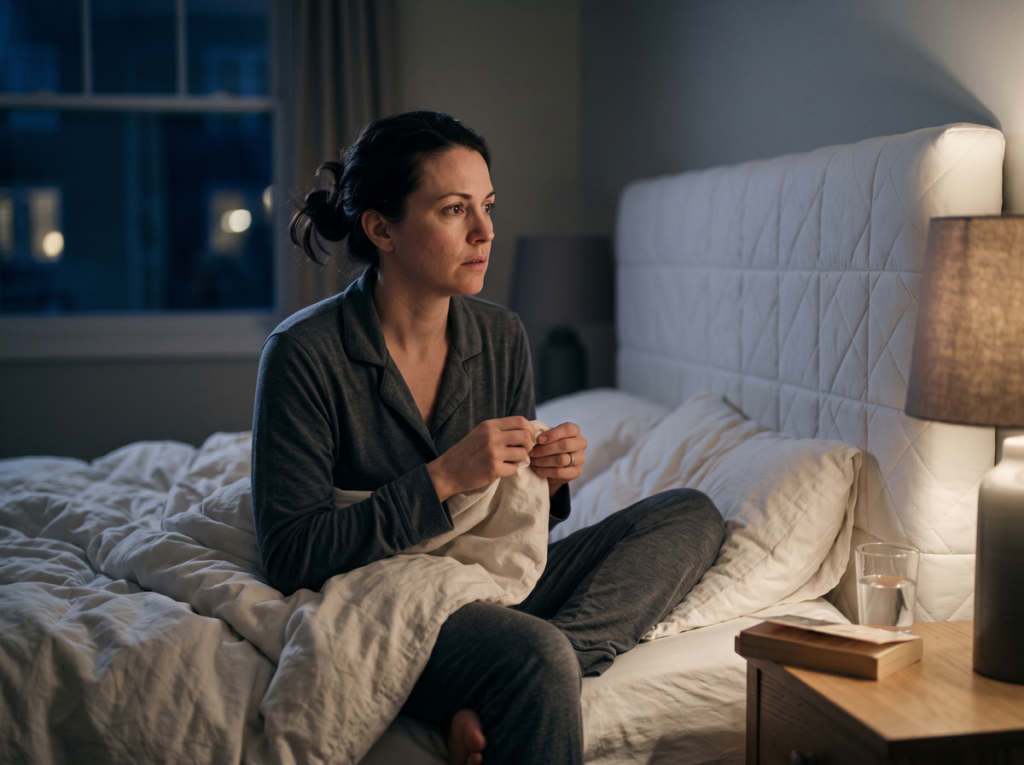
This often happens because of stress and anxiety. A difficult conversation, a looming deadline, money worries, grief, or even the pressure to sleep can keep the nervous system alert. Research on stress-sensitive sleep also suggests that some people are more likely to have sleep disrupted during stressful periods.
Short-term insomnia may show up for a few nights or weeks after illness, travel, a schedule change, or a stressful event. Chronic insomnia is different. It usually means difficulty falling asleep, staying asleep, or waking too early at least three nights a week for three months or longer, with daytime effects such as poor concentration, low mood, or sleepiness.
Neither pattern is a personal failure. Both are signals that your sleep-wake cycle may need support.
First, Separate Sleepiness From Fatigue
Fatigue means you feel drained, weak, foggy, or unable to get going. True sleepiness means you could doze off if you sat somewhere quiet. You might yawn repeatedly, struggle to keep your eyes open, or nod off during a show. Overtiredness can feel extreme without creating enough biological sleepiness at bedtime.
That difference matters. You may feel daytime fatigue after a restless night, while still lacking enough biological sleepiness at bedtime. Long naps, sleeping late on weekends, late-night light, shift work, and an irregular sleep schedule can all push the body clock later.
A steady wake-up time is often more helpful than trying to force an earlier bedtime. Get outdoor light soon after waking when possible. Even a short morning walk can give your body clock a clearer daytime cue.
If you need a nap, keep it early and brief, often around 20 to 30 minutes. A long late-afternoon nap may take the edge off sleep pressure and leave you wide awake when you want to rest.
Evening Habits That Can Keep You Awake
Good sleep hygiene isn’t about a perfect bedtime routine. It’s about reducing signals from light, noise, and your sleep environment that tell your brain the day is still happening.
Caffeine, alcohol, nicotine, and bright light can all interfere with sleep quality in different ways.
| Evening influence | Why it can matter | A practical boundary |
|---|---|---|
| Caffeine | It can linger for hours and reduce your ability to fall asleep, even when you feel tired. | Try stopping caffeine at least eight hours before bed. For a 10 p.m. bedtime, make 2 p.m. your starting cut-off. |
| Alcohol | It may make you sleepy at first, then lead to lighter, more broken sleep later. | Avoid using alcohol as a sleep aid, and finish earlier in the evening if you drink. |
| Bright screens | Blue light and stimulating content can delay melatonin production, which helps regulate sleep timing. | Dim screens and room lights 60 minutes before bed, or move the phone outside the bedroom. |
| Nicotine | Nicotine is a stimulant and can keep the nervous system activated. | Avoid smoking, vaping, or nicotine pouches close to bedtime. |
Caffeine sensitivity varies. Coffee, black tea, energy drinks, cola, chocolate, and some pre-workout products all count. If an afternoon coffee seems harmless but sleep has become difficult, try a two-week earlier cut-off and notice what changes.
Some medications can also affect sleep. Stimulants for ADHD, decongestants containing pseudoephedrine, corticosteroids such as prednisone, asthma medicines such as albuterol, diuretics, thyroid medication, and some antidepressants may contribute for some people. Don’t stop a prescribed medication on your own. A pharmacist or prescriber can help review the timing, dose, and possible alternatives.
Another sleep hygiene practice is physical activity during the day, which can improve sleep quality, too. A walk, bike ride, strength session, or exercise class may help your body build healthy sleep pressure. If late intense workouts leave you wired, move them earlier and choose gentler evening activity.
When Racing Thoughts Keep You Awake
A busy mind needs something more useful than the instruction to “stop thinking.” The goal isn’t to empty your mind. It’s to show your brain that the thought doesn’t need an answer at 3 a.m.
Try this sequence of relaxation techniques and stimulus-control strategies when thoughts start looping:
- Create a short worry window before bed. Spend 10 minutes writing down concerns, one next action for each, and when you’ll return to it tomorrow. A thought on paper doesn’t have to stay in your head.
- Name the thought instead of arguing with it. Try, “This is a planning thought,” or, “I’m having the worry that I won’t sleep.” That small shift can make the thought feel less urgent.
- Give your attention a quiet anchor. Notice the feeling of the sheets, count ten slow exhales, or listen for the farthest sound you can hear. Start again whenever your mind wanders.
- Leave the bed if frustration takes over. If you feel awake for roughly 20 minutes, get up without watching the clock. Sit somewhere dim and do something calm and uninteresting, such as reading a familiar book. Return to bed when sleepiness returns.
The harder you try to make sleep happen, the more alert you can become. Rest is often a better first goal than sleep.

This approach is part of cognitive behavioral therapy for insomnia, often called CBT-I. It helps weaken the link between bed and worry while building a stronger link between bed and sleep. The Mayo Clinic’s insomnia guidance includes CBT-I among the established treatments for ongoing insomnia.
When Tired but Can’t Sleep May Need Medical Support
Sometimes a persistent sleep disturbance reflects more than sleep habits. Sleep disorders such as sleep apnea can interrupt breathing overnight, even when you don’t remember waking. Restless legs syndrome can cause an urge to move when resting, especially in the evening.
Chronic pain, reflux, asthma, menopause symptoms, and thyroid conditions can disturb sleep. Mental health conditions such as anxiety and depression, plus medication effects, may also play a role. A primary care provider can evaluate underlying medical conditions and how they may affect sleep quality, without jumping to conclusions.
Make an appointment with a qualified health professional if you notice any of the following:
- Sleep trouble lasts three months or more, or is affecting work, driving, relationships, or daily functioning.
- You snore loudly, wake gasping, have witnessed breathing pauses, or feel sleepy enough to doze while driving.
- Leg discomfort or an urge to move repeatedly disrupts your ability to settle at night.
- Mood changes, persistent anxiety, depression symptoms, or a reduced need for sleep with unusual energy or impulsivity are present.
Seek urgent local help if you have thoughts of harming yourself or feel unable to stay safe. Sleep problems deserve care, especially when they are affecting your health or daily life.
Frequently Asked Questions
Why am I tired but unable to fall asleep?
Fatigue and sleepiness are not the same thing, so you can feel drained while your nervous system remains alert. Stress, anxiety, caffeine, a shifted body clock, late naps, and certain medications can all contribute.
What should I do if I can’t sleep at night?
If you feel awake and frustrated for roughly 20 minutes, leave the bed and sit somewhere dim while doing something calm and uninteresting. Return to bed when sleepiness returns, and avoid watching the clock or trying to force sleep.
Can caffeine make me tired but unable to sleep?
Yes. Caffeine can remain active for hours and interfere with falling asleep even when you feel exhausted. Try stopping caffeine at least eight hours before bed and adjust the cut-off earlier if sleep remains difficult.
When should I seek help for trouble sleeping?
Speak with a qualified health professional if sleep problems last three months or longer or affect your work, driving, relationships, or daily functioning. Also seek medical advice for loud snoring, gasping, breathing pauses, persistent leg discomfort, significant mood changes, or unusually reduced need for sleep.
How to Finally Fall Asleep
Feeling tired but unable to sleep doesn’t always mean your body is ready for sleep. Stress, stimulants, a shifted sleep-wake cycle, and underlying health concerns can leave you physically exhausted while your brain stays alert.
Start with one simple change rather than trying to fix everything at once. A consistent wake-up time, an earlier caffeine cut-off, or a calmer response to nighttime thoughts can gradually retrain your brain for better sleep. Lasting improvement comes from repeating healthy sleep cues, not forcing sleep to happen.
If your symptoms continue for several months, become more severe, or are affecting your health, work, or safety, talk with a qualified healthcare professional. With the right approach, most people can identify what’s keeping them awake and begin sleeping better again.

Stone Evans, Founder of SleepCoaching.com
Stone Evans is the founder of SleepCoaching.com which has become one of the most popular destinations online for people seeking better sleep. Stone started developing this website after realizing his own sleep struggles and then beginning an intensive period of study (which included professional sleep coach training) and ongoing lifestyle changes to improve and optimize his sleep.
Now through in-depth articles from sleep experts around the world, the internet's leading and most comprehensive sleep coaching directory, quantitative sleep product reviews and Stone's personal daily sleep tracking journey, visitors to our website regularly report gaining information and insights that are helping them achieve better health, better sleep and a better quality of life.

