

One rough night can make an ordinary morning feel like walking through wet sand. Your concentration slips, small tasks take longer, and even a normal conversation can feel like work.
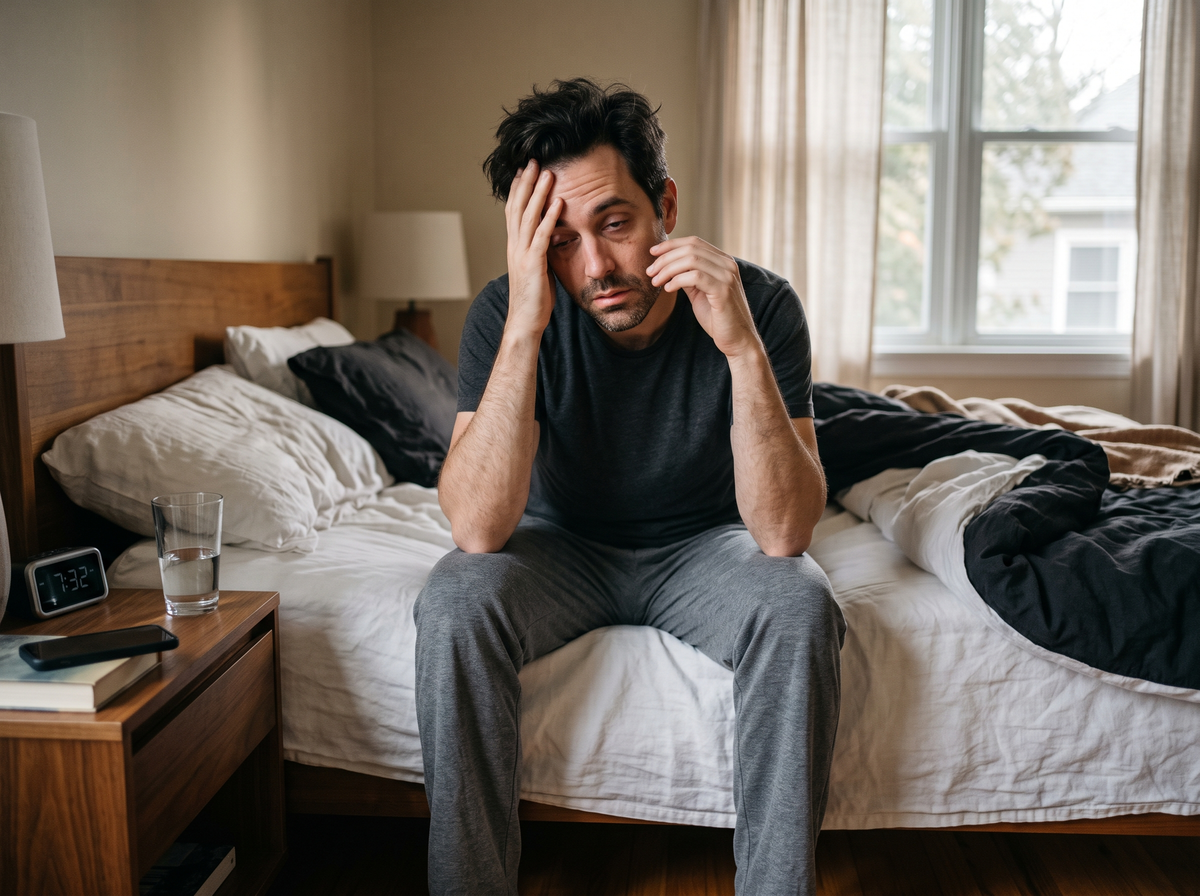
If a bad night sleep is what brought you here, start with this: an occasional poor night sleep is uncomfortable, but it doesn’t mean your sleep is broken. You can’t fully make up for lost sleep in one day, yet a few steady choices can help you feel safer now and set up a better night ahead.
The goal isn’t to push through at any cost. It’s to protect your energy levels, lower the pressure, and keep your body clock on a familiar track.
Key Takeaways
- Recovering from a sleepless night usually calls for a gentler day, not a complete overhaul of your schedule.
- Avoid driving, climbing ladders, or using machinery if daytime sleepiness makes you feel unsafe.
- Morning daylight, regular meals, water, and light movement can support alertness without overstimulating you.
- Use caffeine carefully and early, then avoid a long or late nap that could make your bedtime routine harder.
- Ongoing sleep disruption deserves attention, especially when it affects mood, work, health, or safety.
What to Do After a Bad Night Sleep: Start With Safety
Sleep loss affects attention, reaction time, judgment, and patience, which can take a heavy toll on both your physical health and your mental health over time. That matters most when your day includes a commute, caregiving, physical labor, or decisions that can’t easily be undone.
Before you reach for coffee, take an honest pause. Are you blinking heavily, missing pieces of conversation, drifting at your desk, or struggling to keep your eyes open? Those are signs that you may be experiencing the effects of sleep deprivation and are too drowsy for driving or operating machinery.
If you feel yourself fighting sleep, don’t treat it as a test of willpower. Pull over, call for a ride, postpone the task, or ask someone else to take over.
Sleep Foundation’s overview of sleep deprivation explains why inadequate rest can affect daytime functioning and safety. Even one difficult night can leave you less sharp than you realize.
If possible, simplify the day. Move a nonessential meeting. Choose familiar work over detail-heavy tasks. Avoid big financial decisions, serious conflict, and anything that requires a long attention span. This isn’t about being unproductive. It’s a practical response to having less mental bandwidth.
Be especially careful with alcohol. It may seem like an easy way to soften an exhausted evening, but alcohol can fragment sleep later in the night. It also adds to drowsiness if you’re already tired.
For parents, shift workers, and people who can’t fully control the day’s demands, small adjustments still count. A quieter lunch break, help with school pickup, or a few minutes outside can reduce the sense that you’re carrying the whole day on empty.
Use Morning Light, Food, and Movement to Feel More Awake
Your circadian rhythm responds to timing cues, especially light. After a restless night, getting outside early for natural sunlight can help signal that the day has begun. A 10 to 20-minute walk in daylight is enough for many people to feel more grounded, even if it doesn’t erase fatigue.

If weather, mobility, or your schedule makes a walk difficult, sit near a bright window while you eat breakfast. The National Sleep Foundation’s healthy sleep guidance also highlights daytime light and regular exercise as helpful habits for sleep.
Eat something with protein, fiber, and carbohydrates rather than relying on sugar alone. Eggs and toast, yogurt with fruit and nuts, or oatmeal with peanut butter are simple options. A steady meal can stabilize your blood sugar and prevent the midmorning crash that often follows a pastry and a large sweet coffee, keeping your energy levels stable.
Water matters, too. Mild dehydration can add to headaches and tiredness. Keep a glass or bottle nearby, especially if you drink coffee or tea.
A hard workout isn’t required after a bad night. In fact, forcing an intense session when you feel unsteady can be unpleasant or unsafe. Choose a short walk, easy stretching, gentle cycling, or a few trips up the stairs. Regular exercise in a gentle form can lift your alertness and ease some of the physical heaviness that comes with poor sleep.
Try to keep your usual wake time, even if you slept badly. Sleeping late may feel tempting, but it can shift your schedule and reduce your sleep drive by evening. A consistent rhythm usually helps more than chasing the perfect recovery morning.
Use Caffeine and Naps With Care
Coffee can be helpful after a poor night, but more isn’t always better. A reasonable morning serving may improve alertness. Repeated refills can leave you shaky, anxious, or wide awake when you want to sleep later.
The right amount depends on your caffeine intake, medications, health conditions, and sensitivity. If caffeine often makes you restless, choose a smaller drink, have it with food, or switch to decaf after your first cup.
Try to stop caffeine by early afternoon. Caffeine can remain in the body for hours, and a late latte may be one reason a bad night turns into two.
A power nap can help when sleepiness is making the day difficult. Keep it planned rather than accidental. Set an alarm, find a safe place to rest, and aim for about 20 minutes. Longer naps can leave some people groggy, especially if they wake from deep sleep.
This quick guide can help you decide what fits your day:
| If you feel… | A helpful response | What to avoid |
|---|---|---|
| Tired but able to function | Daylight, water, a normal meal, one moderate coffee | Treating the day like an emergency |
| Sleepy in the afternoon | A 10 to 20-minute nap before midafternoon | Sleeping for hours late in the day |
| Unsteady or unable to focus | Pause the task and arrange safer transport or support | Driving or using equipment |
| Wired and tired at night | A calm routine and regular bedtime | Extra caffeine or alcohol |
The takeaway is simple: use naps as a small bridge, not as a replacement for protecting your overall sleep quality. If you do nap, get up, open the curtains, drink water, and move around for a few minutes before returning to your day.
Protect Tonight’s Sleep Instead of Chasing Perfection
A poor night often creates a familiar loop. You worry about sleep all day, cancel every plan, nap too late, drink more caffeine, then go to bed early and lie awake watching the clock. The pressure itself can make bedtime feel harder.
Keep tonight simple. Eat dinner at a regular time. Finish any intense work earlier if you can. Dim the lights in the hour before bed to support natural melatonin production, and choose something calming that doesn’t pull you into another stream of information.

A warm shower, a paper book, soft music, or a few gentle stretches can create a useful transition. You don’t need a flawless bedtime routine. You need a bedtime routine that feels repeatable when you’re tired.
Try to go to bed close to your normal time. Going to bed dramatically early can leave you lying awake before you’re sleepy. If you can’t sleep after a while, get up and do something quiet in low light. Return to bed when you feel drowsier.
Keep the room cool, dark, and comfortable. Put your phone out of reach if scrolling tends to pull you into work, news, or comparison. The Sleep Foundation’s guide to poor sleep quality notes that maintaining a consistent sleep schedule and practicing good sleep hygiene can support better rest.
Don’t measure the night while you’re in it. Checking the time turns a few wakeful minutes into a running tally. Resting calmly is still more restorative than fighting with the clock.
When a Bad Night Becomes a Pattern
An occasional restless night can follow travel, stress, illness, a late event, or a noisy environment. It may resolve when life settles and your routine returns.
Ongoing disruption is different. Pay attention if you regularly struggle to fall asleep, wake often, wake too early, snore loudly, gasp during sleep, or feel sleepy enough to affect driving and work. Frequent insomnia symptoms, low mood, anxiety, pain, medication changes, menopause, and shift work can all be part of the picture. If you are dealing with chronic sleep problems, it is important to look deeper to see if underlying health conditions or a specific sleep disorder might be contributing.
Keep a brief sleep note for one or two weeks. Record bedtime, wake time, naps, caffeine, alcohol, exercise, and how alert you feel during the day. Tracking your sleep pattern is often easier to spot on paper than in your head at 3 a.m.
A primary care clinician can help rule out medical concerns and review medications. If sleep problems are affecting your quality of life, an insomnia expert, or working with a specialist in cognitive behavioral therapy, may also help you build realistic routines and habits around your actual schedule. Sleep support works best when it fits the person, not an idealized version of their day.
Frequently Asked Questions
Can I fully catch up on lost sleep by sleeping in on the weekend?
No, you cannot fully repay sleep debt in a single day or a weekend. While sleeping a bit longer can help you feel somewhat more rested, drastically shifting your schedule can disrupt your body clock and make it harder to fall asleep on future nights.
Is it safe to drink coffee all day if I am exhausted?
Relying on constant refills of caffeine can leave you feeling jittery, anxious, and wide awake when you actually need to rest later. It is usually best to limit your caffeine intake to a moderate amount in the morning and avoid it by the early afternoon.
Should I stay in bed all day if I didn’t sleep well?
Staying in bed all day can actually increase the pressure and anxiety around your sleep and make insomnia worse. Try to get up at your usual time, get some natural daylight, and keep your body moving lightly to support your natural rhythm.
A Kinder Way to Handle Tomorrow
A bad night sleep can make you feel unlike yourself, but it doesn’t require panic or punishment. Choose safety first, get daylight, use caffeine with care, and keep tonight’s routine steady.
One poor night may leave a mark on the next day. A calm response gives the next night a better chance. By focusing on healthy habits, you can recover more smoothly after a sleepless night.

Stone Evans, Founder of SleepCoaching.com
Stone Evans is the founder of SleepCoaching.com which has become one of the most popular destinations online for people seeking better sleep. Stone started developing this website after realizing his own sleep struggles and then beginning an intensive period of study (which included professional sleep coach training) and ongoing lifestyle changes to improve and optimize his sleep.
Now through in-depth articles from sleep experts around the world, the internet's leading and most comprehensive sleep coaching directory, quantitative sleep product reviews and Stone's personal daily sleep tracking journey, visitors to our website regularly report gaining information and insights that are helping them achieve better health, better sleep and a better quality of life.

