
Most of us have experienced it: after a restless night, everyday challenges seem just a little harder to handle. While we often focus on how many hours we sleep, researchers continue to discover that the quality and structure of our sleep may be just as important for emotional well-being.
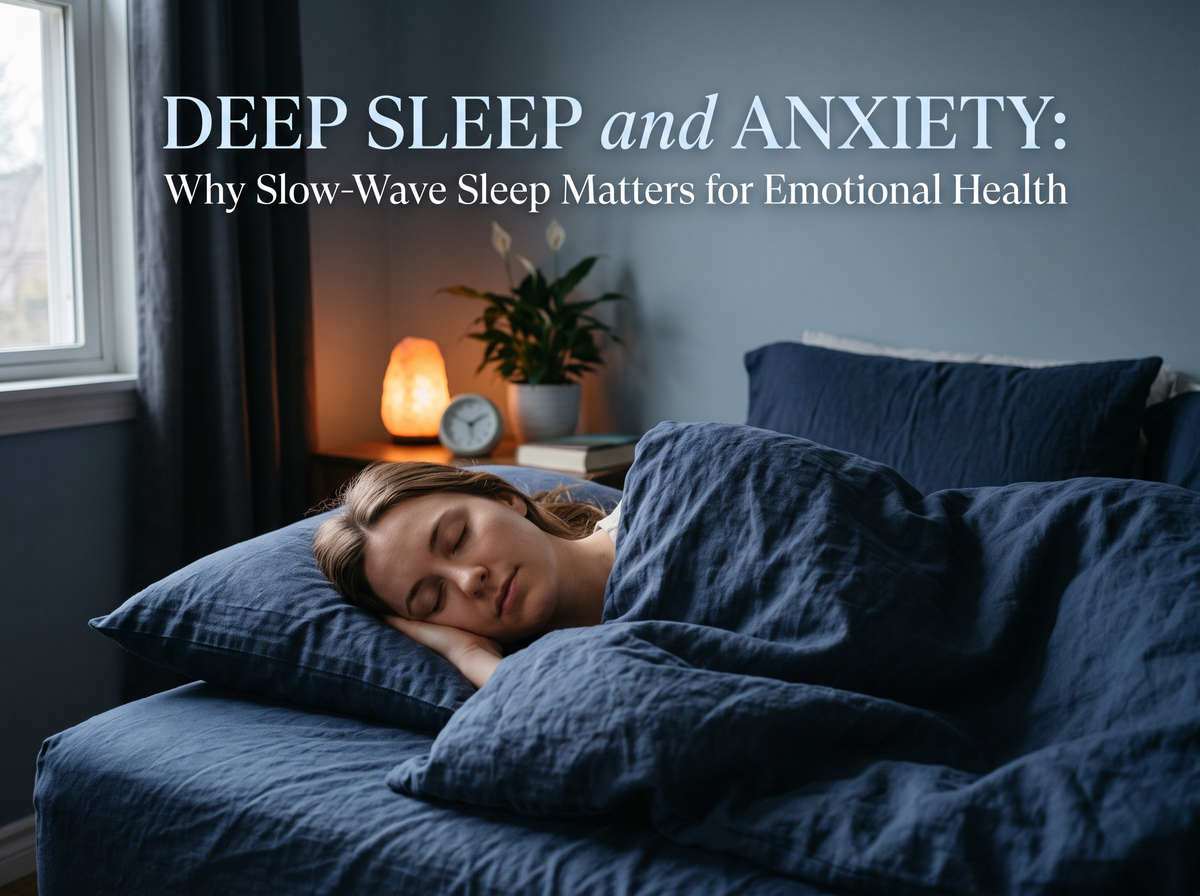
One stage deserves particular attention: slow-wave sleep, often called deep sleep. This is when the brain performs much of its overnight recovery and restoration. Emerging research suggests that preserving healthy deep sleep may play an important role in helping us regulate stress and anxiety, especially as we grow older. The original article from Mercola explores recent findings on this connection and offers practical ideas that may help support deeper, more restorative sleep. It’s a worthwhile read for anyone interested in the relationship between sleep and emotional resilience.
Key Takeaway
Deep, restorative slow-wave sleep may be one of the brain’s most important overnight tools for maintaining emotional resilience and helping regulate anxiety.
Inspired by
Stronger Slow-Wave Sleep Helps Older Adults Regulate Anxiety Overnight
Read the original article →
Sleep Coaching
Helping you sleep better.
